LABPARK Participates in the 17th Pan-Pearl River Delta Chemical Engineering Undergraduate Teaching Conference
Originally published by LABPARK on 2026-06-01. English edition published on November 3, 2026.
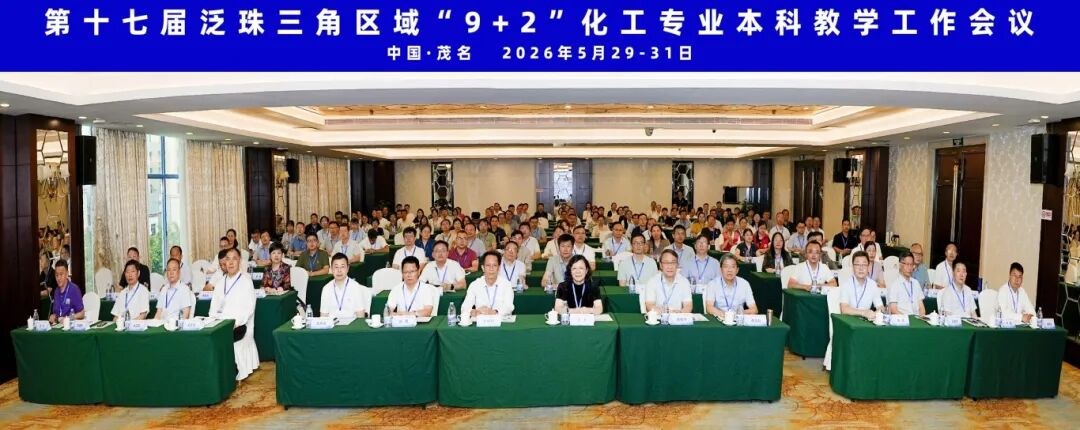
The 17th Pan-Pearl River Delta “9+2” Conference on Undergraduate Teaching in Chemical Engineering was held in Maoming, Guangdong, from May 29 to 31, 2026. Organized by the Ministry of Education’s Teaching Steering Committee for Chemical Engineering Programs, it was hosted by the School of Chemical Engineering at Guangdong University of Petrochemical Technology and the Guangdong enterprise key laboratory for advanced green lubricating materials. LABPARK attended as a supporting organization.
The program included plenary and parallel presentations, opening and closing sessions, and visits. Key subjects were engineering education accreditation, AI-assisted teaching, industry–education integration, curriculum development and reform of experimental and practical teaching.
Accreditation, AI and talent development
Tang Xuhua of the China Chemical Industry Education Association discussed accreditation requirements and priorities for chemical engineering programs. Li Qingbiao of Xiamen University/Jimei University examined generative AI in teaching and the development of higher-order abilities from a global perspective. Zeng Ying of Sichuan University of Science and Engineering shared approaches to industry–education integration in higher education.
Ye Hao of the China Petroleum and Chemical Industry Federation considered talent development in the context of industrial transformation, carbon goals and the 15th Five-Year Plan. Zhang Zhengguo of South China University of Technology introduced experimental teaching development for energy chemical engineering, while Liang Zhiwu of Zhengzhou University addressed innovative thinking and engineering competence.
Guan Guofeng of Minjiang University discussed the interpretation and implementation of new engineering accreditation standards. Ai Ning of Jiaxing University shared the objectives, methods and key considerations for revising outcome-based education programs.
AI-enabled equipment and laboratory development
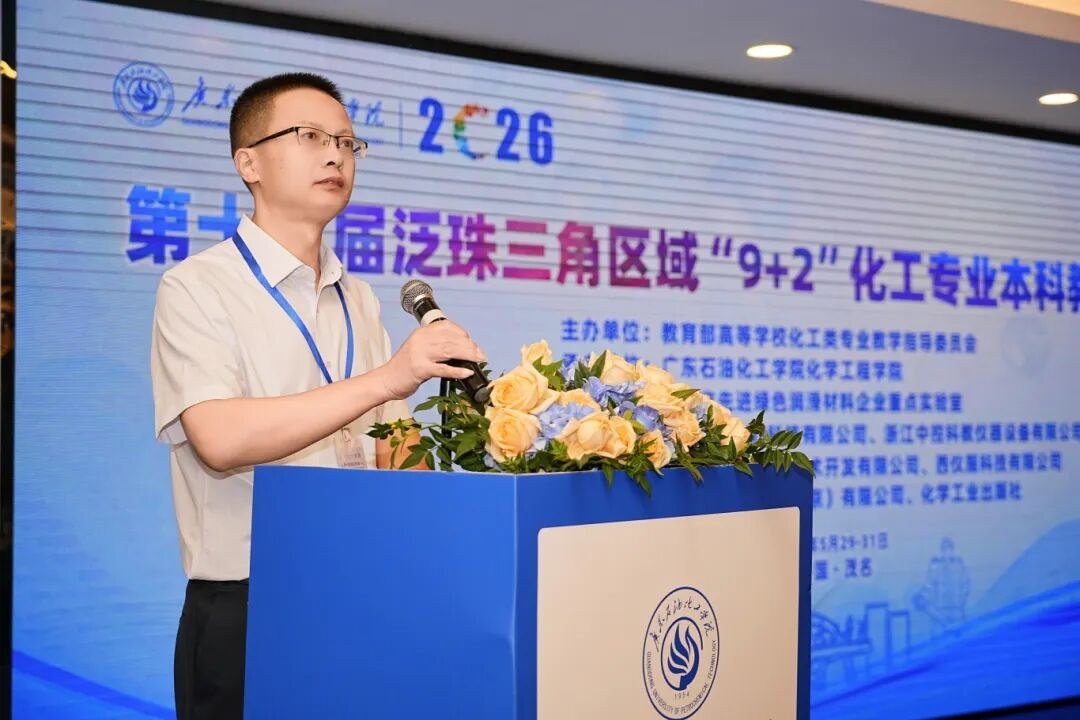
In a parallel session, LABPARK General Manager Wang Hang presented “Practical Exploration and Reflections on AI-Enabled Reform of Chemical Engineering Teaching Equipment.” He described work on experimental equipment, intelligent teaching platforms and university practical teaching services, with a focus on integrating AI and digitally upgrading laboratory education.
LABPARK exchanged views with university specialists, teaching administrators and industry representatives on intelligent laboratories, platform-based apparatus, engineering practice and collaborative education. These discussions strengthened relationships and highlighted ways in which intelligent, modular equipment can support practical teaching reform.
About LABPARK
LABPARK is a high-tech enterprise providing chemical engineering experimental equipment and complete laboratory solutions to universities, research institutes and companies. It has served higher education in China for more than two decades across chemistry, chemical engineering, biology, food, pharmaceuticals and environmental fields.
At the time of the original report, LABPARK had participated in 245 Ministry of Education industry–university collaborative education projects: 49 in teaching content and curriculum reform, 187 in faculty training and nine in practical teaching conditions and training base development.
LABPARK’s Future Collaborative Innovation Research Institute works with users through a shared innovation service platform. Its activities draw on intelligent technologies, chemical process intensification, the Internet of Things and digital twins to explore application models and cooperation mechanisms. Joint work in teaching, research and industrial applications emphasizes complementary expertise, shared resources and technology transfer, with safety, environmental protection, energy efficiency and effective operation as guiding priorities.
Explore LABPARK laboratory equipment or contact our team to discuss your teaching and research requirements.
Source: LABPARK official WeChat article (Chinese). Translated and edited for the English website; event dates and figures reflect the original report.