LABPARK Showcases Modular Distillation Equipment at the 12th National Experimental Teaching Symposium
Originally published by LABPARK on 2026-07-27. English edition published on November 3, 2026.
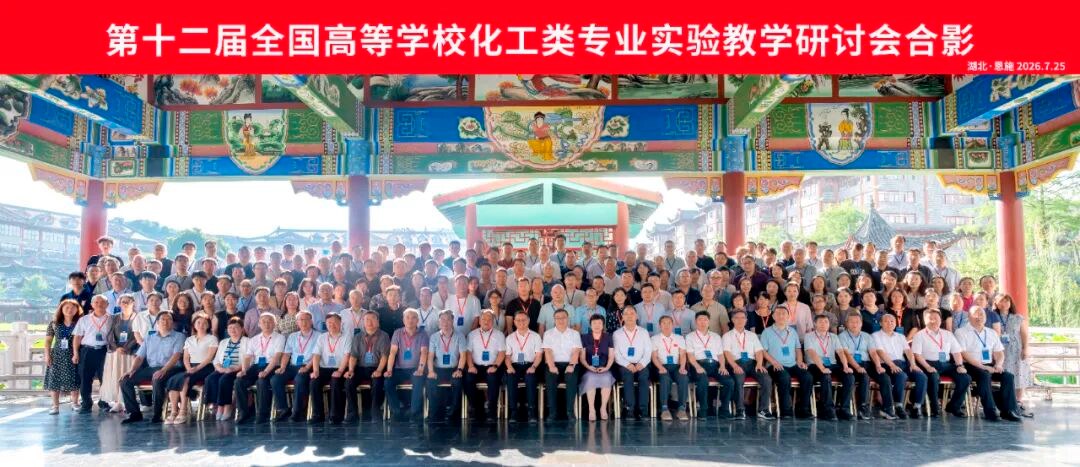
The 12th National Symposium on Experimental Teaching for Chemical Engineering Programs in Higher Education took place at Hubei Minzu University from July 24 to 27, 2026. Organized by the Ministry of Education’s Teaching Steering Committee for Chemical Engineering Programs and hosted by the university, the symposium focused on digitally and intelligently enabled reform and innovation in experimental teaching. LABPARK joined as a supporting organization.
AI, accreditation and curriculum reform
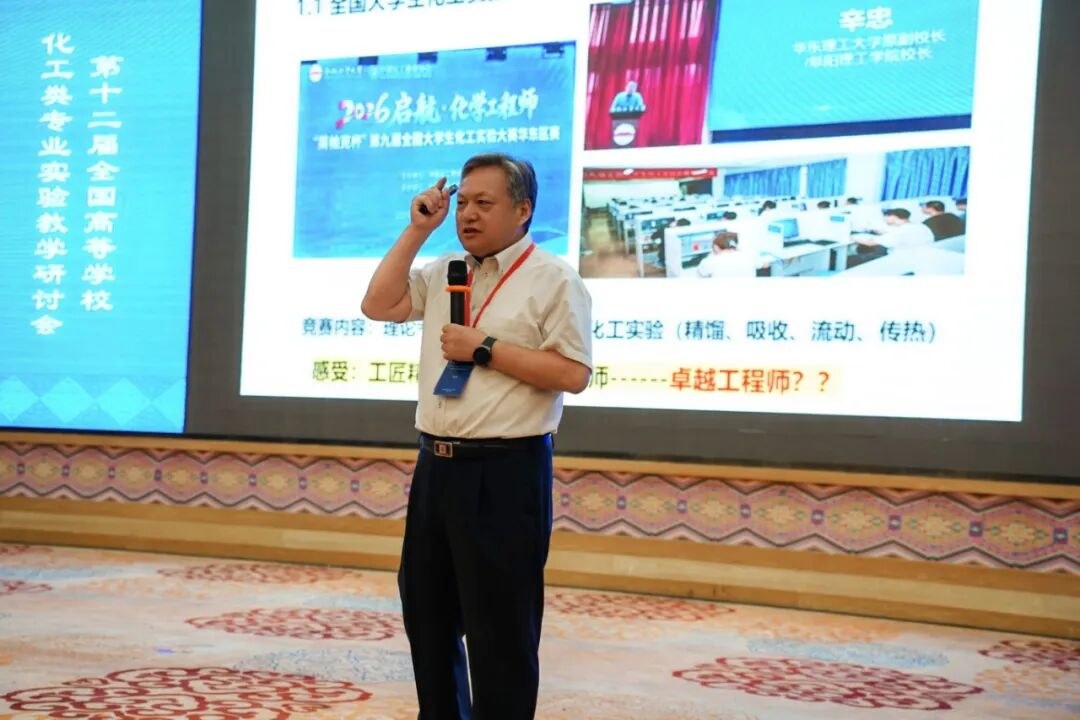
Professor Xin Zhong of East China University of Science and Technology discussed how green engineering concepts can be reflected in classical chemical engineering experiments in the AI era. Tang Xuhua of the China Chemical Industry Education Association explained accreditation requirements and areas of attention for chemical engineering programs.
Professor Li Qingbiao of Xiamen University/Jimei University shared reflections on experimental teaching in the context of generative AI. Professor Guan Guofeng of Nanjing Tech University addressed the redesign of future experimental teaching systems, while Professor Li Lin of Dalian University of Technology presented experience in using digital intelligence to reconstruct chemical engineering experimental teaching.
Parallel sessions covered teaching reform, intelligent laboratories, the integration of physical and virtual learning, and intelligent equipment applications. In the second session, LABPARK General Manager Wang Hang delivered “Practical Exploration and Reflections on AI-Enabled Reform of Chemical Engineering Teaching Equipment,” drawing on the company’s development and application experience.
A modular platform for distillation experiments
LABPARK’s platform-based distillation apparatus attracted interest from participating teachers. Discussions examined its design, potential classroom applications and the development of experimental courses. By combining modular equipment design with teaching resources, the platform offers an approach to unit operations teaching, engineering practice and innovative student work.
The symposium strengthened exchanges between universities and enterprises on student development, teaching resources and equipment innovation. LABPARK will continue to work with faculty and industry specialists to explore experimental teaching models supported by digital and intelligent technologies.
About LABPARK
LABPARK is a high-tech enterprise providing chemical engineering experimental equipment and complete laboratory solutions to universities, research institutes and companies. It has served higher education in China for more than two decades across chemistry, chemical engineering, biology, food, pharmaceuticals and environmental fields.
With a mission of innovation-driven development and collaborative education, LABPARK uses AI, digital twins and related technologies to support intelligent practical education and industrial applications. Its product portfolio includes an AI-enabled intelligent ecosystem, basic and specialized chemical engineering apparatus, integrated operations training equipment, and customized research and small- and pilot-scale systems.
At the time of the original report, LABPARK had participated in 245 Ministry of Education industry–university collaborative education projects: 49 in teaching content and curriculum reform, 187 in faculty training and nine in practical teaching conditions and training base development.
Explore LABPARK laboratory equipment or contact our team to discuss your teaching and research requirements.
Source: LABPARK official WeChat article (Chinese). Translated and edited for the English website; event dates and figures reflect the original report.