
LABPARK Supports the Ninth National Undergraduate Chemical Engineering Experiment Competition Finals
Originally published by LABPARK on 2026-08-12. English edition published on November 3, 2026.
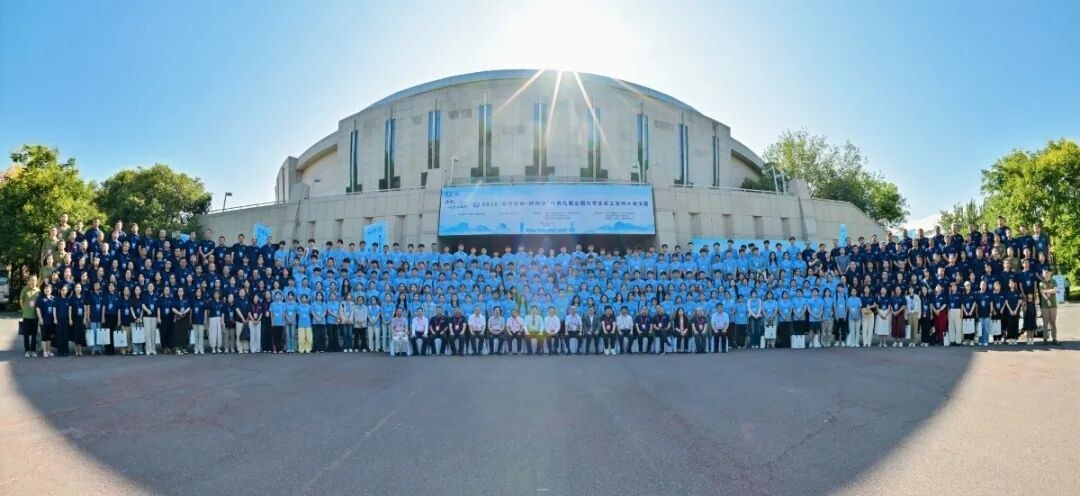
The finals of the Ninth National Undergraduate Chemical Engineering Experiment Competition were held at Zhengzhou University from August 8 to 11, 2026. Organized by the China Chemical Industry Education Association and hosted by Zhengzhou University, the event brought together university teams from across China for an annual exchange of experimental skills and chemical engineering practice.
The opening ceremony took place at the university’s central gymnasium on August 9, bringing together competing students and teachers, experts and representatives of participating organizations.
Testing theory, simulation and experimental skills
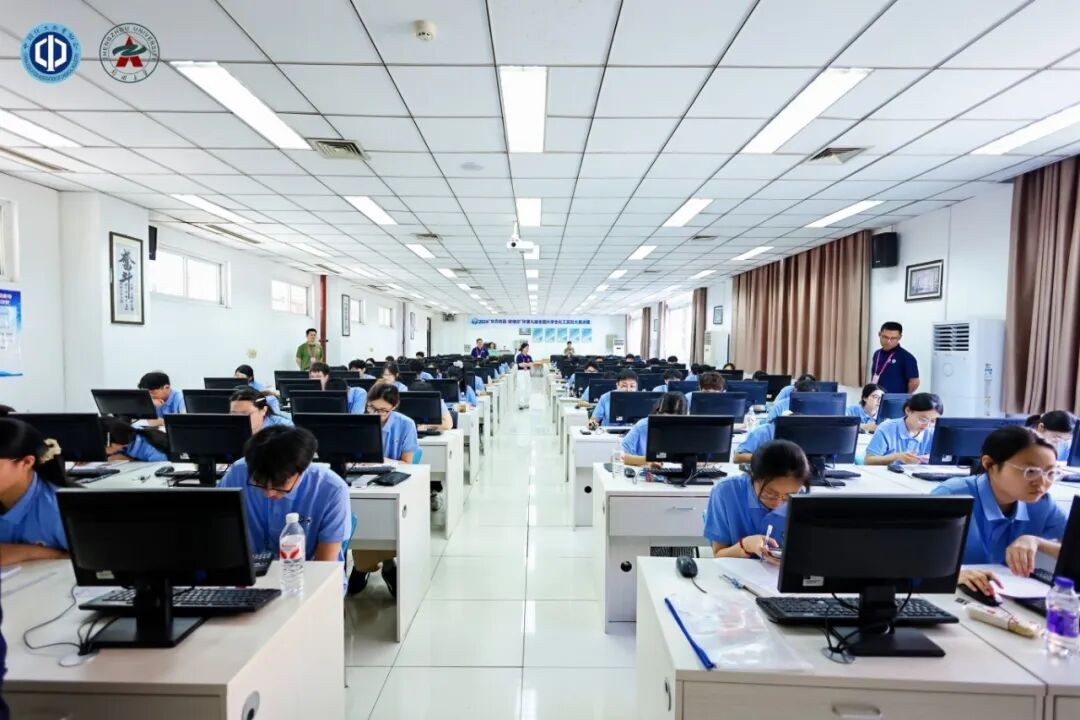
Teams competed in theoretical knowledge, simulation and practical experiments. The format tested subject knowledge, understanding of chemical processes and correct operation of real experimental equipment, allowing students to demonstrate their abilities across different learning and practice settings.
The competition awarded 12 special prizes, 30 first prizes and 42 second prizes to teams. Beyond testing students’ learning, it showcased universities’ experimental teaching and practical education. LABPARK congratulates the award-winning teams and recognizes the experts, teachers and staff who organized, supervised and supported the event.
In the experimental rounds, students used chemical engineering apparatus to complete equipment operations and assigned tasks. These activities linked classroom theory with hands-on work while testing engineering awareness, procedural discipline and teamwork.
Equipment support and discussion of AI in teaching
As a supporting organization, LABPARK provided experimental equipment and on-site technical support for the practical rounds. Its technicians worked with the organizing committee and host university to support stable equipment operation and the smooth delivery of experiments.
A concurrent seminar explored AI-enabled development of chemical engineering programs. LABPARK General Manager Wang Hang presented “Practical Exploration and Reflections on AI-Enabled Reform of Chemical Engineering Teaching Equipment,” sharing experience in equipment applications and discussing AI-supported apparatus development and new experimental teaching approaches with university specialists and teachers.
Participation allowed LABPARK both to support hands-on education directly and to better understand university teaching requirements. The company will continue to provide reliable equipment and technical services for laboratory teaching reform, engineering practice and the development of chemical engineering professionals.
About LABPARK
LABPARK is a high-tech enterprise providing chemical engineering experimental equipment and complete laboratory solutions to universities, research institutes and companies. It has served higher education in China for more than two decades across chemistry, chemical engineering, biology, food, pharmaceuticals and environmental fields.
With a mission of innovation-driven development and collaborative education, LABPARK uses AI, digital twins and related technologies to support intelligent practical education and industrial applications. Its product portfolio includes an AI-enabled intelligent ecosystem, basic and specialized chemical engineering apparatus, integrated operations training equipment, and customized research and small- and pilot-scale systems.
At the time of the original report, LABPARK had participated in 245 Ministry of Education industry–university collaborative education projects: 49 in teaching content and curriculum reform, 187 in faculty training and nine in practical teaching conditions and training base development.
Explore LABPARK laboratory equipment or contact our team to discuss your teaching and research requirements.
Source: LABPARK official WeChat article (Chinese). Translated and edited for the English website; event dates and figures reflect the original report.