2026 Central China Chemical Engineering Education Symposium and Tianjian Lake Deans Forum Held in Zhengzhou
Originally published by LABPARK on 2026-04-01. English edition published on November 3, 2026.
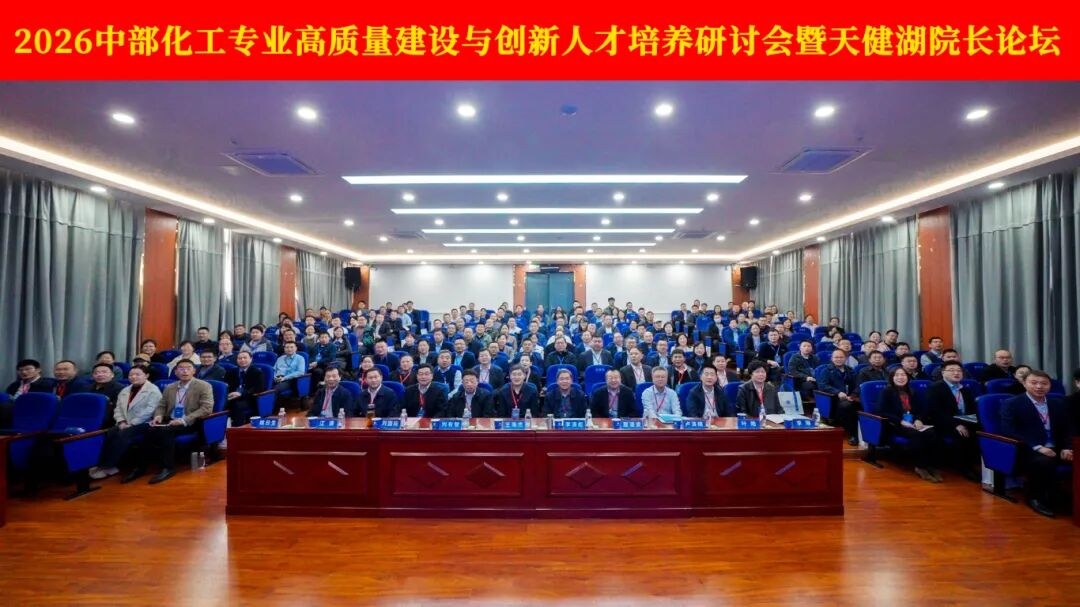
The 2026 Central China Symposium on High-Quality Chemical Engineering Program Development and Innovative Talent Cultivation, held alongside the Tianjian Lake Deans Forum, took place at Zhengzhou University from March 27 to 29.
The meeting was jointly organized by Zhengzhou University, Henan University, Zhengzhou University of Light Industry and the Henan Chemical Industry Society. Hosts were Zhengzhou University’s School of Chemical Engineering and the Central Plains Virtual Teaching and Research Office for Chemical Engineering and Technology. The Industry–Education Integration Community for Chemical Engineering Practical Teaching Equipment and the Henan Engineering Technology Research Center for Chemical Engineering Practical Education Equipment served as co-organizers.
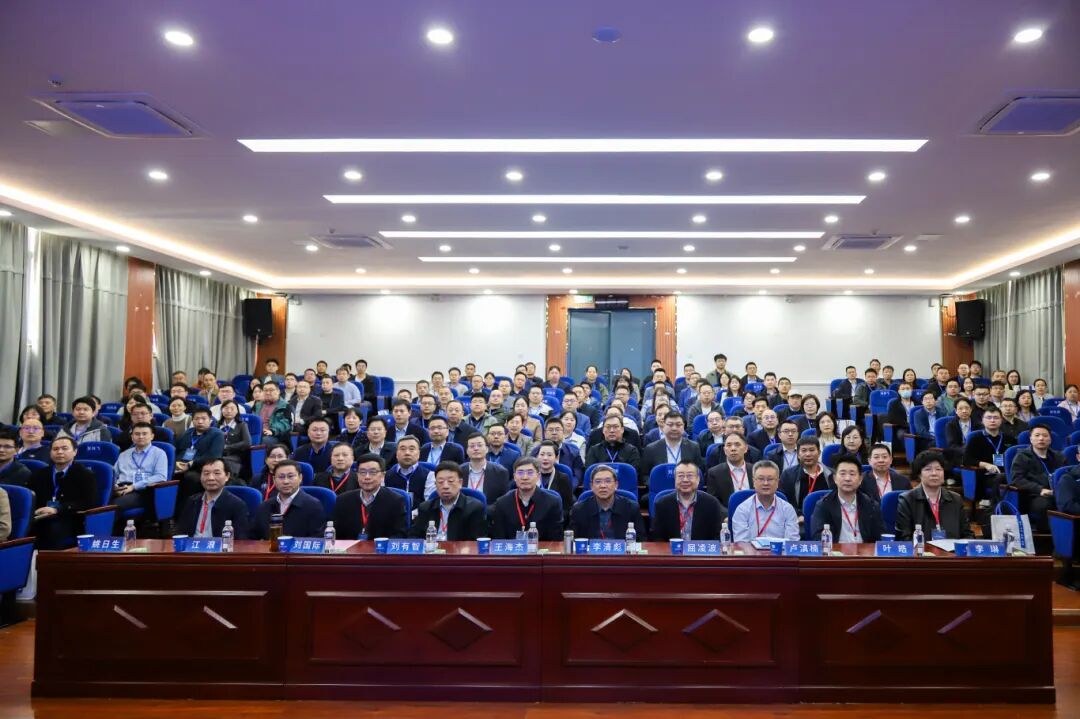
With a focus on the 15th Five-Year Plan, AI-assisted program development and deeper industry–education integration, discussions addressed chemical engineering disciplines, engineering accreditation, intelligent courses and collaborative talent development. More than 170 representatives attended, including teaching steering committee experts, university academics, departmental leaders from ten central-region provinces, research institutes and enterprises.
Opening addresses
Zhengzhou University Vice President Wang Haijie welcomed delegates and introduced the university’s work in chemical engineering, talent cultivation and industry–education integration. He emphasized the meeting’s relevance to national education priorities and industry needs, and encouraged innovation in student development and university–enterprise cooperation.
Liu Guoji, President of the Henan Chemical Industry Society, emphasized the society’s role in connecting industry, academia, research and application. He called for stronger collaboration between central-region universities and closer integration of innovation resources to support industrial upgrading.
Eight perspectives on educational change
Professor Li Qingbiao discussed effective applications of generative AI in higher education from a global perspective, offering approaches to digitally and intelligently enabled teaching. Professor Liu Youzhi examined the current position, implementation paths and support mechanisms for industry–education integration as a bridge between talent development and industrial demand.
Professor Lu Diannan shared practical work on AI-enabled chemical engineering programs, including course redesign, training upgrades and teaching innovation. LABPARK President Liu Jingyang discussed integration-community practices and AI-enabled inherently safer laboratories, drawing on experience with laboratory safety and intelligent practical teaching.
Professor Yao Risheng examined pharmaceutical engineering program development under the emerging engineering education agenda, including program positioning, curricula and talent-development models. Director Ye Hao considered chemical engineering workforce needs amid petroleum and chemical industry transformation and offered suggestions for educational objectives and graduate competitiveness.
Professor Ai Ning outlined accreditation-based routes to leading academic programs, including implementation and quality assurance. Professor Xin Zhong discussed opportunities and challenges in discipline development at East China University of Science and Technology.
Connecting discussion with practical facilities
Visits to practical training facilities encouraged further university–industry and inter-university exchange. As the lead organization of the chemical engineering practical teaching equipment integration community, LABPARK supported the meeting and its efforts to strengthen chemical engineering education across Central China.
About LABPARK
LABPARK is a high-tech enterprise providing chemical engineering experimental equipment and complete laboratory solutions to universities, research institutes and companies. It has served higher education in China for more than two decades across chemistry, chemical engineering, biology, food, pharmaceuticals and environmental fields.
The company has established an engineering technology research center for chemical engineering practical education equipment and an industrial design center. Its recognitions include provincial specialized and innovative enterprise and service-oriented manufacturing demonstration enterprise status, alongside provincial intellectual property, technology growth and innovation designations and national technology enterprise recognition.
At the time of the original report, LABPARK reported 226 Ministry of Education industry–university collaborative education projects: 47 in teaching content and curriculum reform, 170 in faculty training and nine in practical teaching conditions and training base development. It also reported 206 technical patents and service to 266 universities.
LABPARK’s Future Collaborative Innovation Research Institute works with users through a shared innovation service platform. Its activities draw on intelligent technologies, chemical process intensification, the Internet of Things and digital twins to explore application models and cooperation mechanisms. Joint work in teaching, research and industrial applications emphasizes complementary expertise, shared resources and technology transfer, with safety, environmental protection, energy efficiency and effective operation as guiding priorities.
Explore LABPARK laboratory equipment or contact our team to discuss your teaching and research requirements.
Source: LABPARK official WeChat article (Chinese). Translated and edited for the English website; event dates and figures reflect the original report.