
LABPARK Presents AI-Enabled Teaching Equipment at the Fourth Green Engineering Education Forum
Originally published by LABPARK on 2026-08-27. English edition published on November 3, 2026.
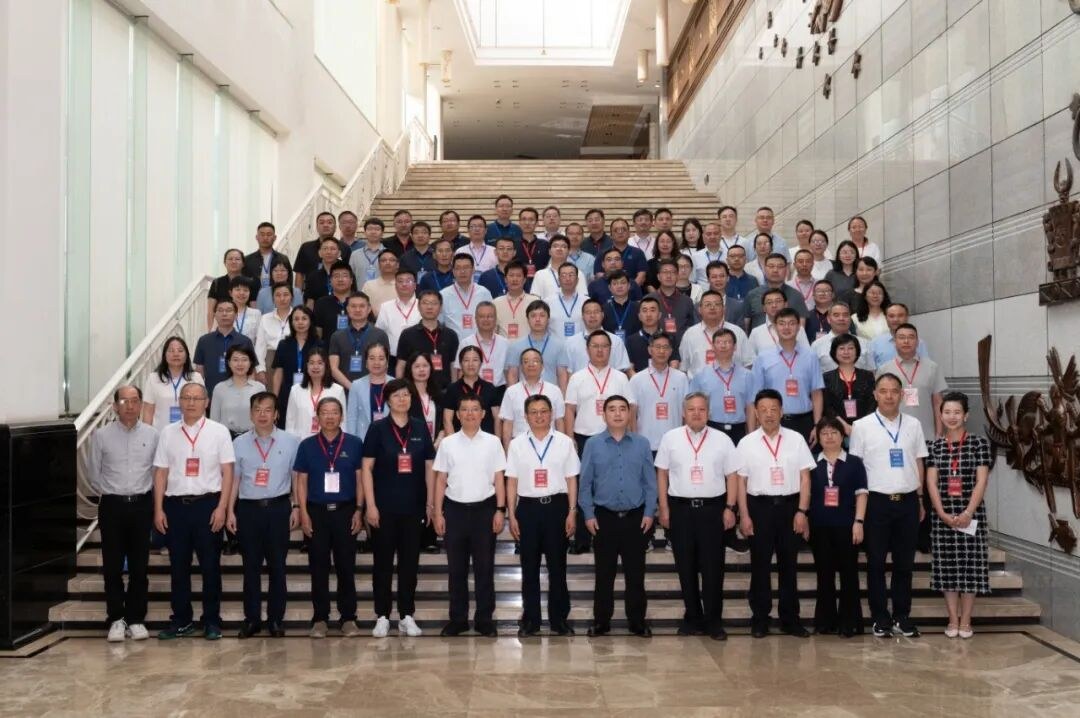
The Fourth Green Engineering Education and Future Engineers Forum took place in Guiyang, Guizhou, from August 21 to 23, 2026. Under a theme combining people-centered education, intelligence, sustainability and integration, experts from universities, research institutes and industry discussed engineering education reform, AI in teaching, green engineering skills, industry–education integration and the development of future engineers. LABPARK participated as a sponsor.
Organized by CIESC, the forum was hosted by Guizhou University, Guizhou Phosphate Chemical Group and the national key laboratory for green and efficient development and utilization of phosphate resources and associated resources. It connected education reform with industrial needs, considering how engineering education and talent-development models should evolve.
Teaching reform and intelligent technologies
Professor Li Lin of Dalian University of Technology discussed education reform and talent development for a stronger chemical engineering sector. Professor Liu Youzhi of North University of China addressed deeper industry–education integration as a direct link between student development and industry. Professor Xia Shuqian of Tianjin University explored interactive teaching in the digital intelligence era, while Professor Lu Diannan of Tsinghua University examined educational large models and intelligent agents in chemical engineering teaching.
Five specialist sessions covered people-centered engineering education and ethics; intelligent chemical engineering and AI-assisted teaching and practice; leading chemical engineering programs and accreditation; industry–education integration and student competitions; and future engineers and postgraduate education.
LABPARK shares practical experience
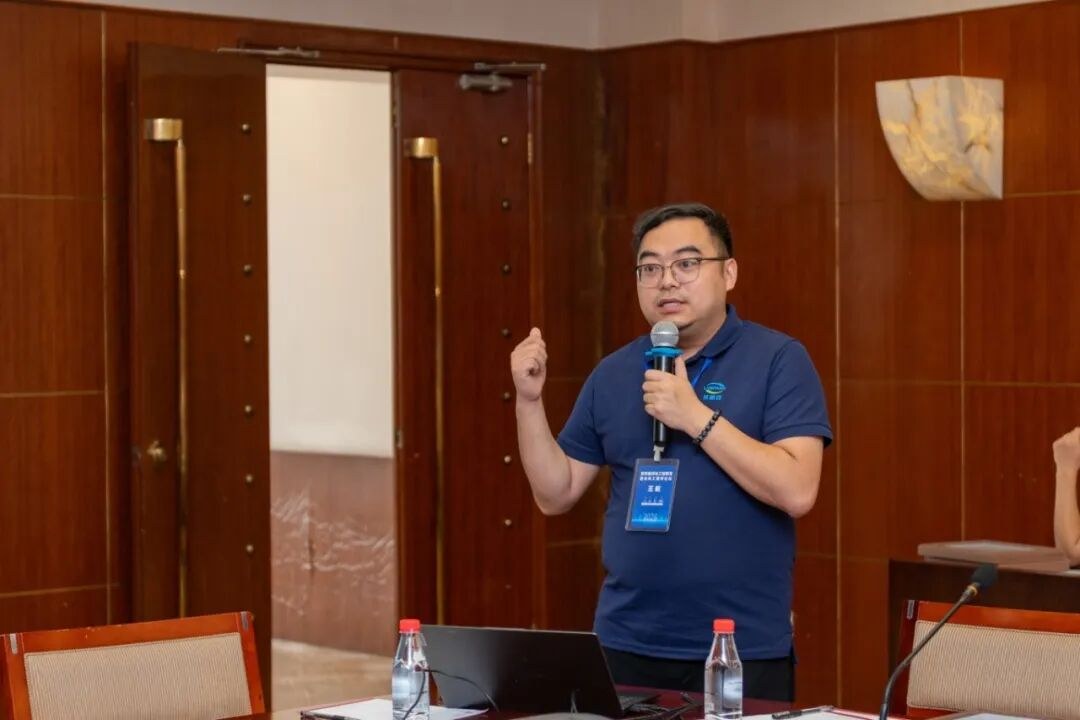
In the fifth session, LABPARK General Manager Wang Hang delivered “Practical Exploration and Reflections on AI-Enabled Reform of Chemical Engineering Teaching Equipment.” From the perspective of university experimental teaching and engineering practice, he discussed how rapidly developing AI technologies could be integrated into equipment development and renewal.
LABPARK also exchanged views with faculty on laboratory teaching, engineering practice, research equipment and AI-assisted program development. Feedback from teaching staff offered useful guidance for understanding changing educational requirements and refining product development.
The company will continue to develop experimental equipment and practice platforms around real engineering situations and practical skills, exploring the integration of AI and digital technologies with university teaching and research.
About LABPARK
LABPARK is a high-tech enterprise providing chemical engineering experimental equipment and complete laboratory solutions to universities, research institutes and companies. It has served higher education in China for more than two decades across chemistry, chemical engineering, biology, food, pharmaceuticals and environmental fields.
With a mission of innovation-driven development and collaborative education, LABPARK uses AI, digital twins and related technologies to support intelligent practical education and industrial applications. Its product portfolio includes an AI-enabled intelligent ecosystem, basic and specialized chemical engineering apparatus, integrated operations training equipment, and customized research and small- and pilot-scale systems.
At the time of the original report, LABPARK had participated in 245 Ministry of Education industry–university collaborative education projects: 49 in teaching content and curriculum reform, 187 in faculty training and nine in practical teaching conditions and training base development.
Explore LABPARK laboratory equipment or contact our team to discuss your teaching and research requirements.
Source: LABPARK official WeChat article (Chinese). Translated and edited for the English website; event dates and figures reflect the original report.