LABPARK Joins the Fifth Symposium on Advanced Chemical Separation and University Teaching
Originally published by LABPARK on 2026-11-02. English edition published on November 3, 2026.
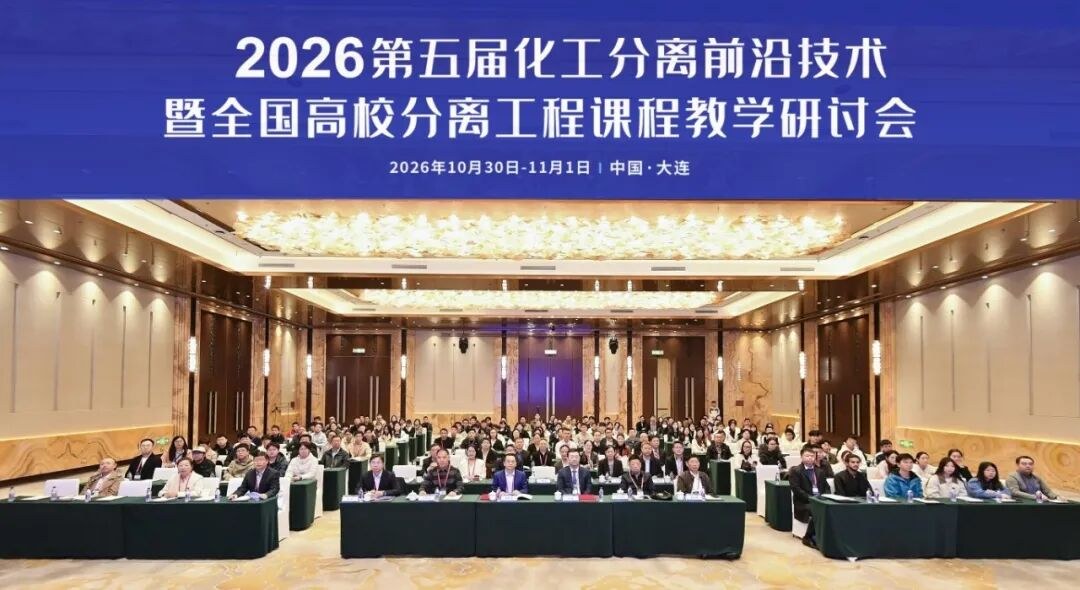
The Fifth Symposium on Frontier Technologies in Chemical Separation and Separation Engineering Teaching in Higher Education took place in Dalian, Liaoning, from October 30 to November 1, 2026. Organized by the Ministry of Education’s Teaching Steering Committee for Chemical Engineering Programs and hosted by the School of Chemical Engineering at Dalian University of Technology, the meeting brought together university faculty, researchers and industry representatives. LABPARK attended as a supporting organization.
Guided by the themes of innovation, digital intelligence and green development, participants discussed advances in chemical separation, curriculum reform and cooperation between industry, education and research.
Separation research and teaching reform
The opening ceremony and plenary presentations were held on October 31. Experts from North University of China, Zhengzhou University, Nanjing Tech University and Dalian University of Technology addressed chemical engineering education, carbon dioxide capture and separation technologies with engineering demonstrations, separation course redesign for emerging productivity needs, collaborative education and the preparation of future chemical engineers.
Five parallel forums covered modern separation technologies, early-career researchers, separation curricula and digitally enabled teaching, industry–education–research collaboration, and demonstrations of intelligent teaching. Topics ranged from advanced separation materials and process intensification to AI-assisted separation research, virtual simulation resources, engineering case libraries and university–industry education.
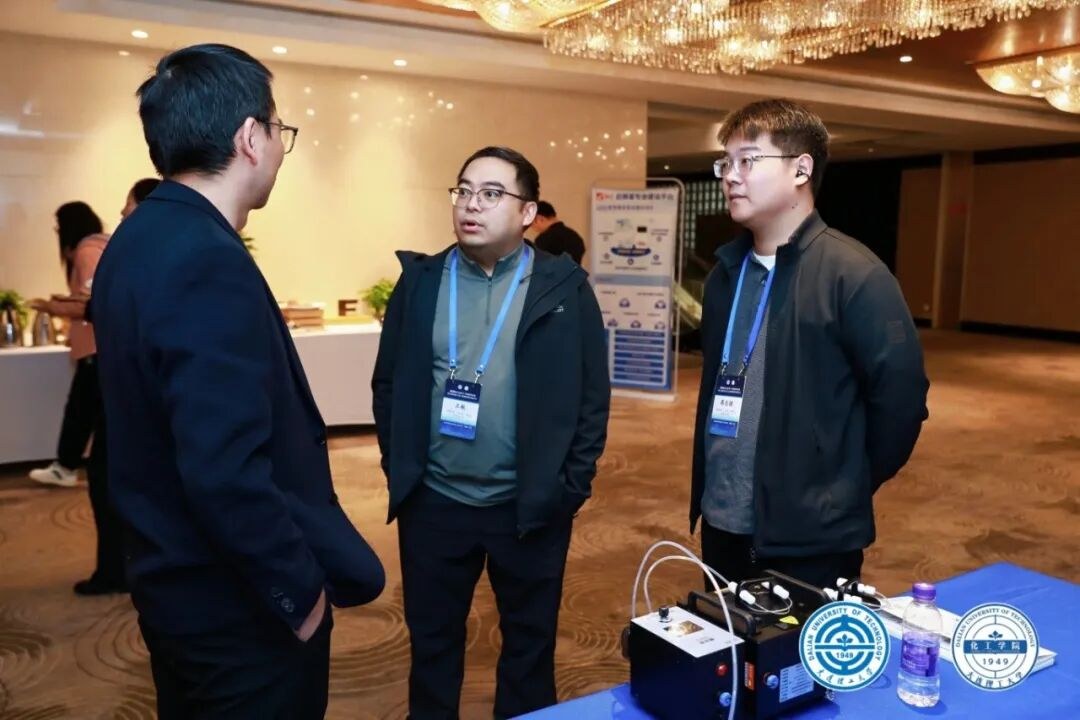
LABPARK shares its approach to safer laboratories
In the forum on industry–education–research collaboration, LABPARK Deputy General Manager Li Jinbao presented “Industry–Education Integration Community Practices and Reflections on AI-Enabled Inherently Safer Laboratories.” He discussed collaborative community development and the potential application of AI to laboratory safety, drawing on LABPARK’s work in chemical engineering teaching equipment and intelligent laboratories.
The symposium strengthened dialogue with universities, research institutes and industry specialists, providing further ideas for teaching equipment development, AI-enabled laboratories and collaborative projects. LABPARK will continue to connect experimental equipment, engineering practice platforms and AI technologies with the needs of teaching and research, supporting curriculum development, laboratory teaching reform and scientific innovation.
About LABPARK
LABPARK is a high-tech enterprise providing chemical engineering experimental equipment and complete laboratory solutions to universities, research institutes and companies. It has served higher education in China for more than two decades across chemistry, chemical engineering, biology, food, pharmaceuticals and environmental fields.
With a mission of innovation-driven development and collaborative education, LABPARK uses AI, digital twins and related technologies to support intelligent practical education and industrial applications. Its product portfolio includes an AI-enabled intelligent ecosystem, basic and specialized chemical engineering apparatus, integrated operations training equipment, and customized research and small- and pilot-scale systems.
At the time of the original report, LABPARK had participated in 245 Ministry of Education industry–university collaborative education projects: 49 in teaching content and curriculum reform, 187 in faculty training and nine in practical teaching conditions and training base development.
Explore LABPARK laboratory equipment or contact our team to discuss your teaching and research requirements.
Source: LABPARK official WeChat article (Chinese). Translated and edited for the English website; event dates and figures reflect the original report.